
436 N Roxbury Dr PH A, Beverly Hills, CA 90210

If you’re considering a dental bridge, you probably have questions. That’s completely normal. Most new patients arriving at our Beverly Hills practice want clear, honest answers before committing to any treatment. The five questions about dental bridges new patients always ask in Beverly Hills cover everything from cost to comfort. This guide walks through every one of them so you can feel confident moving forward.
Question 1: What Exactly Is a Dental Bridge and How Does It Work?
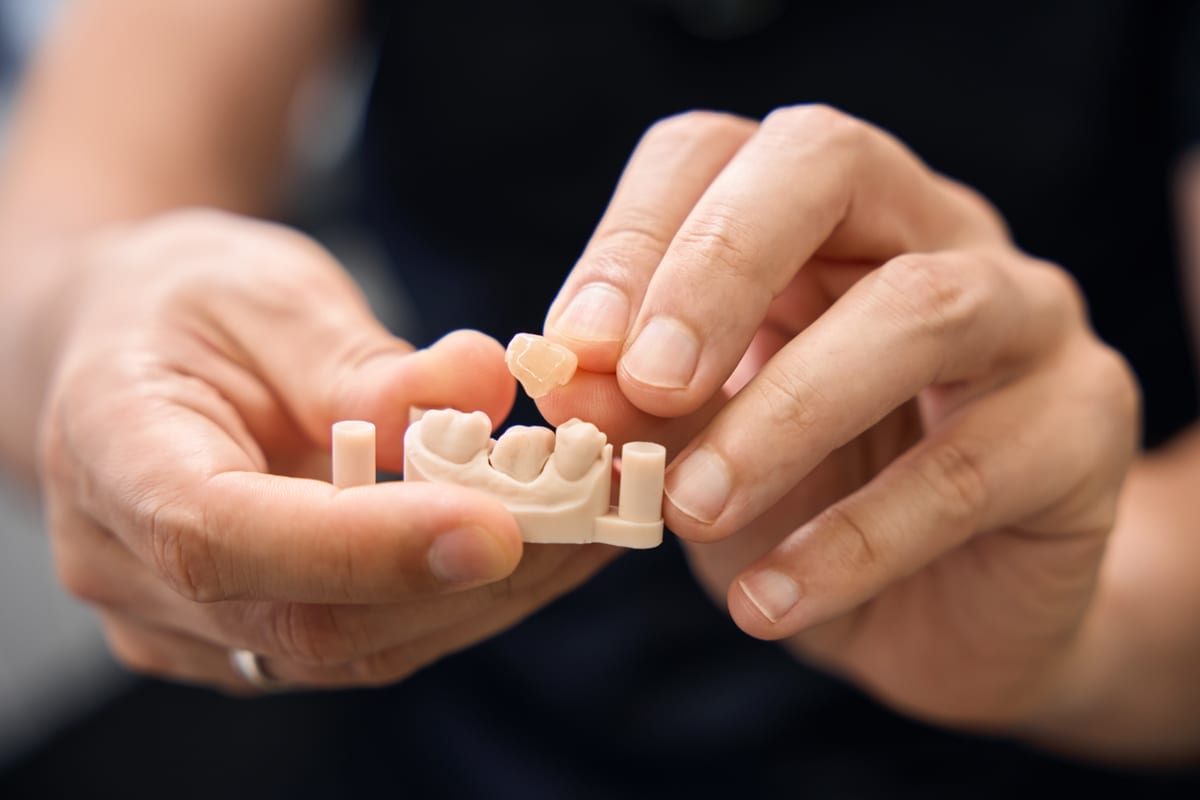
A dental bridge is a fixed appliance that replaces one or more missing teeth. It literally ‘bridges’ the gap between two remaining teeth or implants. The bridge anchors to the teeth on either side of the gap, called abutment teeth. A false tooth, called a pontic, sits in the middle to fill the space.
Our dental team customises every bridge to match the shape, size, and colour of your natural teeth. Most patients find the result looks completely natural. The bridge is cemented permanently into place. Unlike a removable partial denture, you don’t take it out each night.
Dental bridges are one of the most trusted tooth-replacement options available today. They restore your smile, improve chewing function, and help maintain the alignment of surrounding teeth. Missing teeth can cause neighbouring teeth to drift over time. A bridge prevents that from happening.
Question 2: Am I a Good Candidate for a Dental Bridge in Beverly Hills?
Most patients with one or more missing teeth in a row can qualify for a bridge. However, the teeth on either side of the gap must be healthy and strong enough to support it. If those surrounding teeth are significantly weakened or missing, your dentist may recommend dental implants instead. Our team evaluates each patient individually.
Good candidates typically share a few traits:
- They have healthy gum tissue with no active periodontal disease
- Their adjacent teeth are structurally sound
- They maintain good daily oral hygiene habits
- They are committed to regular professional cleanings
- They do not grind their teeth severely, or they wear a night guard
During your consultation, our dental team will take Digital X-Rays to assess bone density and tooth health. This imaging helps us determine exactly which treatment fits your situation. If a bridge is not right for you, we will explain why and walk you through other options like Dental Implants or a Full-Mouth Restoration.
Question 3: What Does the Dental Bridge Procedure Actually Feel Like?
This is one of the most common concerns new patients bring to our Beverly Hills office. The short answer is that most people find the process far more comfortable than they expected. We use local anaesthetic to numb the area thoroughly before we begin. You should feel pressure but not pain during preparation.
Here is a general overview of what the process looks like:
- Consultation and imaging — We take X-rays and examine your teeth to plan treatment.
- Tooth preparation — We gently reshape the abutment teeth so the bridge can fit over them securely.
- Impressions — We take precise impressions of your teeth to send to the dental laboratory.
- Temporary bridge placement — A temporary bridge protects your teeth while your permanent one is crafted.
- Final placement — We bond the permanent bridge securely in place and check your bite.
If dental anxiety is a concern, we are happy to discuss options. Our practice offers Sedation Dentistry Beverly Hills to help patients feel calm and comfortable throughout the visit. Many anxious patients say sedation made the experience much easier than they imagined.
Question 4: How Long Will My Dental Bridge Last?
With proper care, a dental bridge typically lasts between 10 and 15 years. Many last even longer. The lifespan depends largely on how well you maintain your oral hygiene and whether you attend regular checkups. Bridges made from high-quality porcelain or zirconia tend to perform exceptionally well over time.
To extend the life of your bridge, keep these tips in mind:
- Brush twice daily using a soft-bristle toothbrush
- Floss daily using floss threaders or a water flosser under the bridge
- Visit our office every six months for a professional Teeth Cleaning
- Avoid chewing on ice, hard candy, or other extremely hard foods
- Wear a night guard if you grind your teeth while sleeping
Our dental team will show you exactly how to clean around and beneath your bridge at your first follow-up visit. Proper technique makes a significant difference in longevity. Skipping cleanings is one of the most common reasons bridges fail prematurely. We want your investment to last as long as possible.
Question 5: What Happens If I Ignore a Missing Tooth Instead?
Many patients in Beverly Hills wait longer than they should to address a missing tooth. It’s easy to delay when the gap isn’t very visible. However, untreated tooth loss creates a cascade of oral health problems. Acting sooner typically leads to simpler, more affordable treatment.
When a tooth is missing, the bone beneath the gap begins to shrink. This process is called bone resorption. The surrounding teeth also begin to shift toward the empty space. Over time, this changes your bite and can cause jaw pain, headaches, and even facial sagging.
In some cases, patients who wait too long develop dental emergencies related to weakened or shifting teeth. If that happens, you may need Emergency Dentistry Beverly Hills before restorative treatment can begin. Addressing a missing tooth early with a bridge or implant protects your overall oral health. The sooner you act, the more options you have available.
Conclusion: Take the Next Step With Confidence
Understanding the five questions about dental bridges new patients always ask in Beverly Hills helps you walk into your consultation feeling informed and prepared. A dental bridge can restore your smile, protect your remaining teeth, and dramatically improve your quality of life. Our dental team at Dr. Roxanne Salavati’s practice is here to guide you every step of the way. Book Now to schedule your appointment with our team.
Frequently Asked Questions
How many teeth can a dental bridge replace at once?
A traditional dental bridge can replace one to three consecutive missing teeth. The number depends on the strength of the supporting abutment teeth and your specific jaw structure. Our dental team will assess your situation and recommend the most stable solution. In cases of more extensive tooth loss, implant-supported bridges may be a better fit.
Does getting a dental bridge hurt?
Most patients experience little to no pain during the procedure thanks to local anaesthetic. Some mild soreness around the prepared teeth is normal for a few days after placement. Over-the-counter pain relievers typically manage any discomfort easily. If you feel significant pain after the procedure, contact our office promptly so we can evaluate the fit.
Can a dental bridge be placed on the same day as my consultation?
In most cases, the consultation and preparation are completed on separate visits. The laboratory needs time to craft your custom bridge to precise specifications. The entire process from consultation to final placement typically takes two to three weeks. We place a temporary bridge in the interim so you are never left with an exposed gap.
Is a dental bridge better than a dental implant?
Both are excellent options, but they suit different situations. A bridge is often faster and does not require surgery, making it ideal for patients who prefer a less invasive route. Implants, however, preserve jawbone and do not require altering adjacent teeth. Our dental team will help you compare both options honestly during your consultation.
How do I clean under a dental bridge?
Standard flossing cannot reach beneath the pontic of a bridge. We recommend using a floss threader, super floss, or a water flosser to clean that area daily. Removing plaque and food from beneath the bridge is essential to prevent gum disease. Our team demonstrates proper technique at every cleaning appointment so you stay confident in your home care routine.