
436 N Roxbury Dr PH A, Beverly Hills, CA 90210
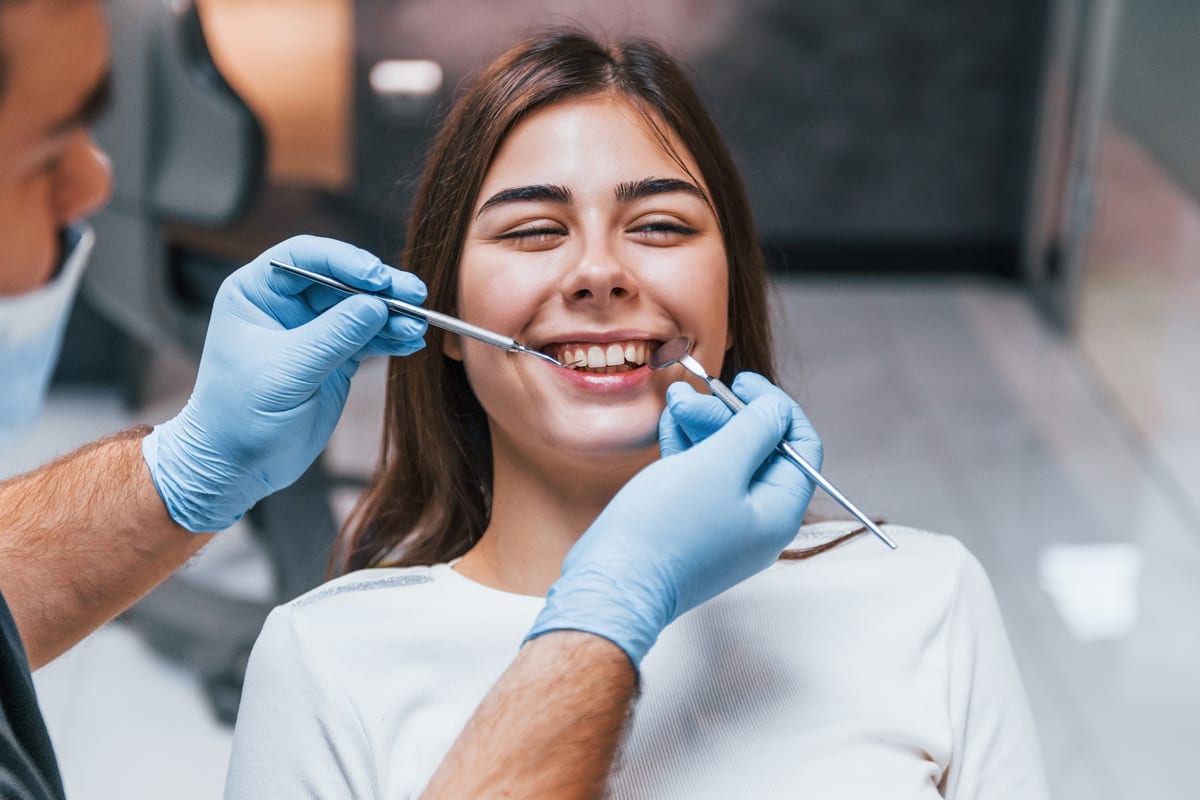
When a patient comes in with a damaged or discolored tooth, one of the most common questions we hear is: crown or veneer? Understanding crowns vs. veneers — and why your dentist recommends one over the other in Beverly Hills — is genuinely useful clinical knowledge. It helps you participate in your own care. At Dr. Roxanne Salavati, our dental team walks every patient through this decision with clear, honest reasoning.
What Separates a Crown from a Veneer Clinically?
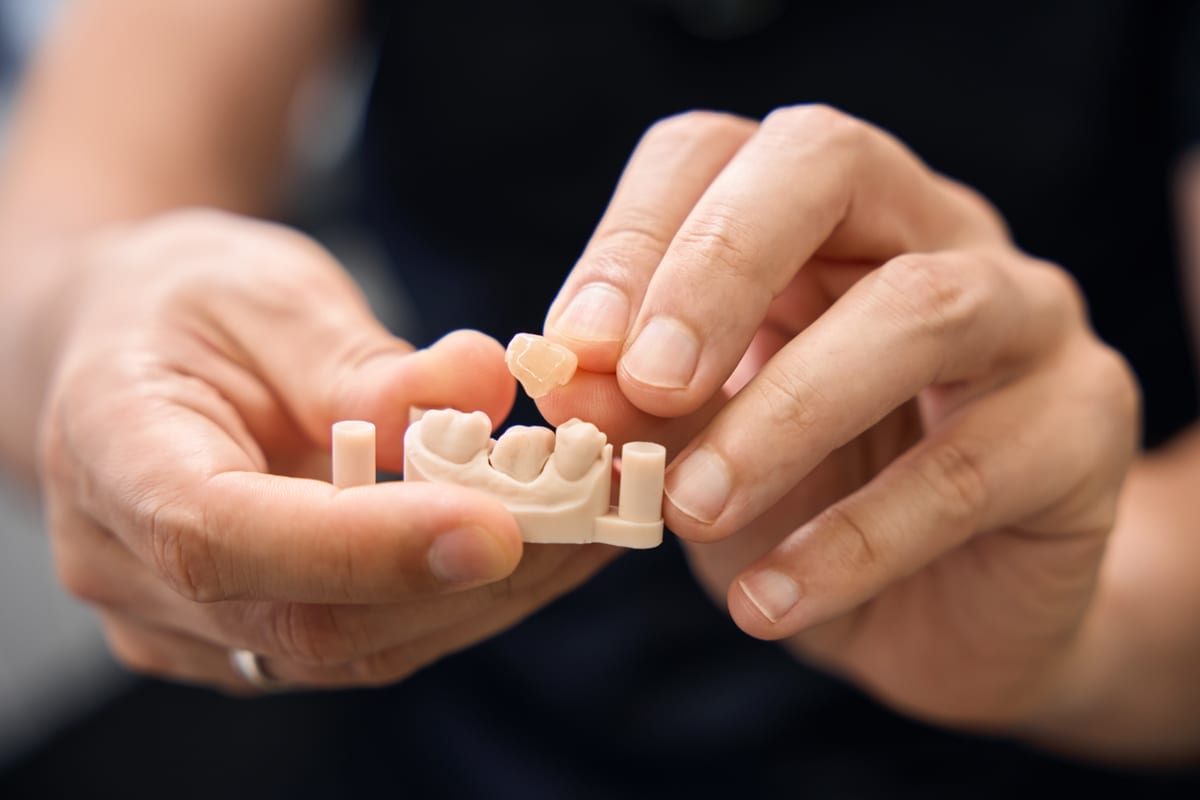
A dental crown is a full-coverage restoration. It encases the entire visible tooth above the gumline. Your dentist removes a significant layer of enamel from all sides before placing the crown. This makes the procedure more invasive — but sometimes, that is exactly what the tooth needs.
A veneer is a thin porcelain shell bonded only to the front surface of a tooth. Enamel removal is minimal, usually less than a millimeter. Veneers improve appearance. They do not restore structural strength the way crowns do.
The core clinical difference is coverage and function. Crowns protect teeth under biting stress. Veneers refine aesthetics on teeth that are still structurally sound. Knowing this helps clarify every recommendation your dentist makes.
When Your Beverly Hills Dentist Will Recommend a Crown
Your dentist will lean toward a crown when the tooth has lost significant structure. This includes teeth with large decay, cracks, or fractures that run deep. A veneer cannot protect a weakened tooth from further breakdown.
Crowns are also the right choice after root canal treatment. A root-canal-treated tooth becomes brittle over time. It needs full coverage to survive normal chewing forces. Placing a veneer on such a tooth would leave it vulnerable.
Here are the most common clinical reasons your dentist will choose a crown:
- Large existing filling that compromises tooth integrity
- Cracked or fractured tooth with risk of splitting
- Severe decay requiring significant enamel removal
- Tooth restored after root canal therapy
- Severely worn tooth from grinding or acid erosion
- Support needed for a dental bridge
In short, crowns prioritize protection and function. If the tooth is structurally compromised, a veneer is simply not the right tool for the job.
When Your Dentist Will Recommend a Veneer Instead
Veneers shine when the underlying tooth is healthy and strong. The problem is cosmetic — staining, minor chips, slight misalignment, or gaps. A healthy tooth does not need to be fully covered. Removing that much enamel would be clinically unnecessary.
Veneers also work well for patients who want a complete smile transformation. Multiple veneers across the front teeth create a uniformly bright, proportional appearance. This is a popular choice for patients seeking cosmetic dentistry results in Beverly Hills.
Common reasons your dentist will recommend a veneer include:
- Permanent discoloration that does not respond to whitening
- Minor chips or worn edges on otherwise healthy teeth
- Slight spacing or gaps between front teeth
- Mildly uneven tooth shapes or sizes
- Healthy enamel with no structural damage
The key phrase here is structurally healthy. Veneers are a cosmetic upgrade, not a structural repair. Your dentist confirms tooth health with a clinical exam and digital X-rays before recommending this route.
How Our Team Makes the Decision: The Clinical Reasoning Process
At Dr. Roxanne Salavati, our dental team does not make this decision based on preference. It follows a clear clinical process. Every recommendation begins with a thorough examination of the tooth’s health and function.
We use digital X-rays to assess what is happening beneath the surface. Decay, bone loss, or internal cracks may not be visible to the naked eye. These findings directly influence whether a crown or veneer is appropriate.
We also evaluate your bite. If you grind your teeth or have a heavy bite, veneers may chip or fracture over time. In those cases, a crown offers greater longevity. Our team considers your full oral health picture — not just the single tooth in question.
For patients with dental anxiety who feel nervous about more extensive procedures, we also offer Sedation Dentistry Beverly Hills to keep the experience comfortable and stress-free. And if a tooth becomes acutely painful before your scheduled restoration, our team also provides Emergency Dentistry Beverly Hills so you are never left waiting in discomfort.
Can You Switch from One to the Other Later?
This is a practical question many patients ask. The answer depends on what was done originally. If a tooth received a veneer and later develops structural problems, it can be upgraded to a crown. The minimal enamel removal from the veneer procedure does not prevent this.
However, a tooth that has already been prepared for a crown cannot later receive a veneer. Too much enamel has been removed. The tooth will always require full coverage going forward. This is why starting with the least invasive appropriate option matters.
Our team at Dr. Roxanne Salavati approaches every case with long-term oral health in mind. We consider not just today’s problem, but how your smile will hold up over the next decade.
Frequently Asked Questions
Is a crown more painful to get than a veneer?
Neither procedure should be painful during treatment. Both are performed under local anesthesia. A crown preparation is more extensive, so some patients experience more post-procedure sensitivity. This typically resolves within a few days. Our team provides clear aftercare guidance for both restorations.
How long do crowns and veneers last?
Dental crowns typically last 10 to 15 years or longer with good oral hygiene. Porcelain veneers generally last 10 to 12 years. Both restorations last longer when patients avoid habits like nail-biting, grinding, or chewing on very hard foods. Regular checkups help us monitor the condition of your restorations over time.
Do veneers look more natural than crowns?
Modern porcelain crowns and veneers both achieve highly natural-looking results. The difference lies in application, not aesthetics. A skilled dental team can match color, shape, and translucency closely to your natural teeth in either case. The final result depends largely on the quality of the ceramic and the precision of the placement.
Can I get veneers if I grind my teeth?
Teeth grinding, or bruxism, puts significant stress on restorations. Veneers are more susceptible to chipping under grinding forces. Your dentist may recommend crowns instead, or may suggest a custom nightguard to protect veneers if they are still the best aesthetic fit. This decision is made on a case-by-case basis after evaluating the severity of your grinding.
Does getting a crown mean I failed to take care of my tooth?
Not at all. Many people need crowns due to genetics, old large fillings, or accidents — not neglect. A crown is simply the right clinical tool when a tooth needs structural support. Receiving a crown is a positive step toward preserving your natural tooth for as long as possible.
Understanding the clinical reasoning behind crowns vs. veneers helps you feel confident in your treatment plan. Our dental team in Beverly Hills is always happy to explain every recommendation before we proceed. Book Now to schedule your appointment with our team.